SMS Masking vs Regular SMS: Which Fits Your Business?
Both send a text to a phone, but the sender, the trust, and the setup are very different. Here's how to choose.
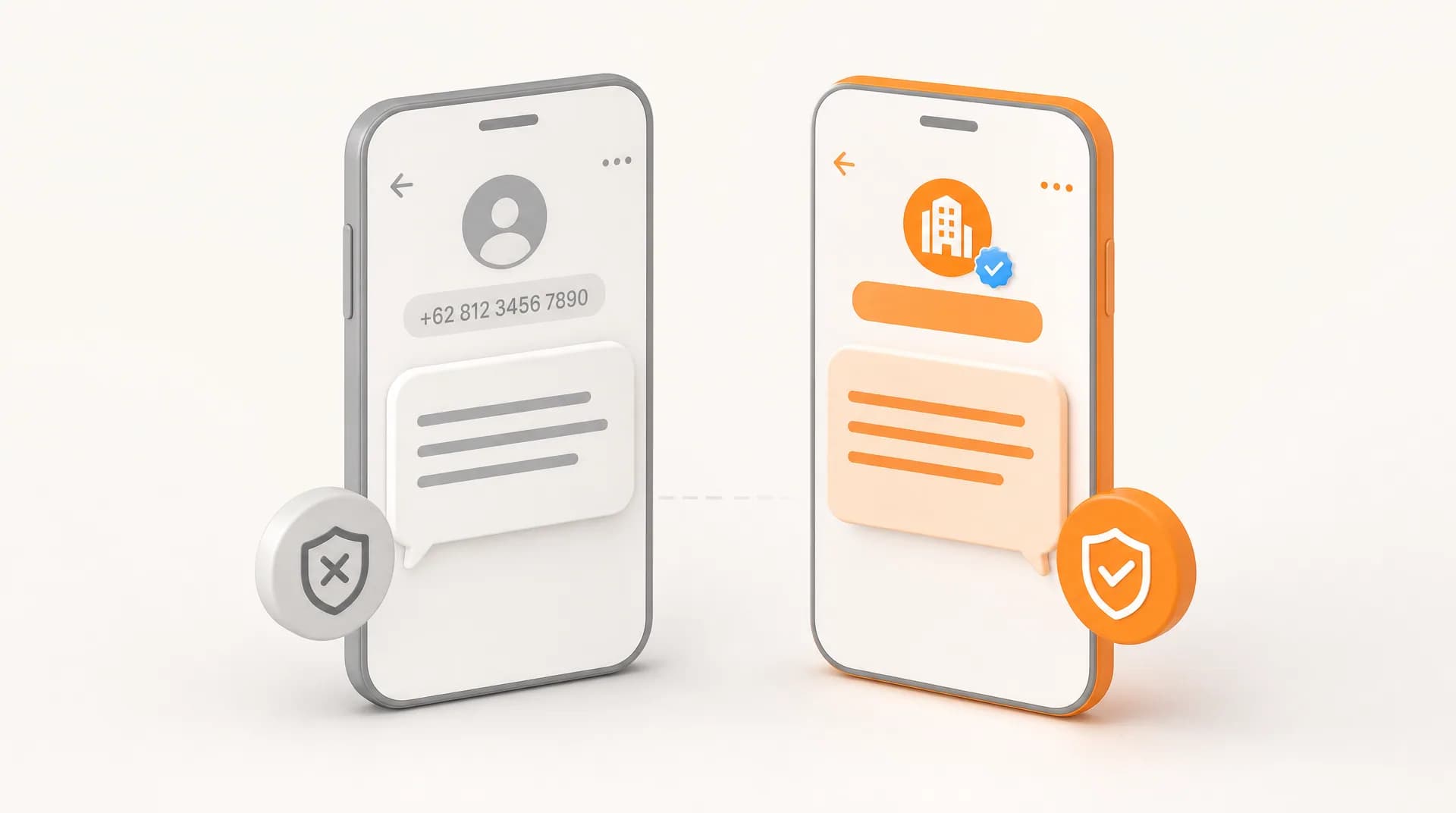
Regular SMS goes out from a numeric sender; masked SMS goes out from your brand name. That single difference changes how recipients trust, and act on, your message.
Side by side
| Aspect | Regular SMS | SMS Masking |
|---|---|---|
| Sender shown | A phone number | Your brand name |
| Perceived trust | Lower, looks anonymous | Higher, looks official |
| Setup | Instant | 3–14 working days + deposit |
| Replies | Possible | One-way only |
| Best for | Casual or two-way chat | Official notifications, OTP, alerts |
When masking is worth it
If you send OTPs, payment alerts, shipping updates, or anything where the recipient needs to trust the source, masking pays for itself in fewer ignored messages and fewer fraud complaints.
Your brand's name on a customer's lock screen is free real estate. SMS Masking isn't just about delivering a message; it's about building immediate trust and brand recall. That directly increases conversion rates because people don't ignore messages from brands they recognize.
When regular SMS is fine
For low-stakes, two-way conversations where a reply is expected, a standard numeric sender works fine. Since Zenziva focuses purely on official, one-way SMS Masking, businesses typically handle these regular two-way SMS conversations independently using their own phones or a custom hardware gateway connected to their systems.
Get Rp 5,000 trial credit
Sign up free and test SMS and Voice, no credit card needed.
Register now · Rp 5,000 trial credit →